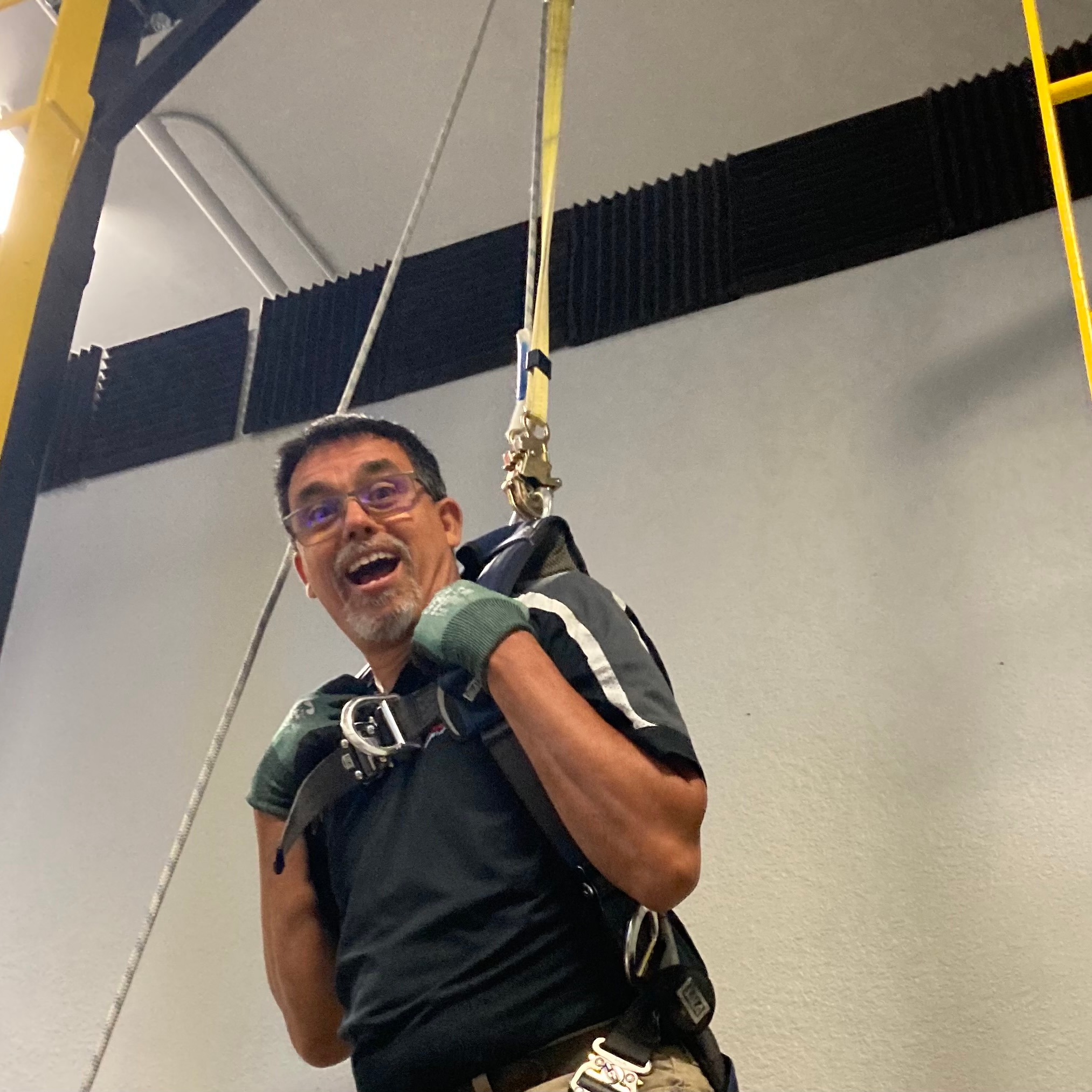
Every day across the country, workers put their trust in fall prevention safety standards to keep them safe on the job. It only takes a split second for a misstep or oversight to turn into a tragedy, making strict adherence to these standards not just a legal obligation, but a matter of life and death. In this campaign, you’ll discover how effective safety practices and thoughtful planning can prevent falls, protect your team, and foster a culture of responsibility—turning worksites into safe, productive spaces for everyone on the ground or high above it. Understanding Fall Prevention Safety StandardsFall prevention safety standards are a set of rules, protocols, and equipment requirements created to keep workers safe from falls in environments with elevated risks. These standards exist to clearly define which safety measures—like guardrails, harnesses, and training—are necessary in different workplace scenarios, especially on construction sites. By outlining what is required and best practices, they help organizations avoid serious injuries, lost productivity, and legal penalties. For workers, this means coming home safely at the end of every shift, every time.The evolution of workplace safety standards reflects decades of real-world learning. Earlier, the focus was mainly on reacting after an accident. Today, the shift is proactive: identify hazards before they cause harm, and take preventive action. Regulatory bodies like OSHA (Occupational Safety and Health Administration) in the United States, the National Safety Council, and various industry groups have developed detailed safety codes informed by decades of data and research. Their efforts, and the commitment of employers to enforce these rules, lead directly to fewer injuries and a stronger safety culture on every worksite.What You'll Learn About Fall Prevention Safety StandardsThe critical components of fall prevention safety standardsTop tips for preventing workplace fallsEssential safety precautions for elevated construction sitesHow fall prevention safety standards save livesWhy Fall Prevention Safety Standards Matter in the WorkplaceWorkplace falls are among the leading causes of serious injuries and deaths on the job, particularly in construction, manufacturing, and warehousing. The impact of just one fall can be devastating—not only for the injured worker but for the emotional and financial health of their family, co-workers, and employer. Apart from personal and organizational loss, falls result in lost workdays, insurance claims, and lengthy investigations.Effective fall prevention safety standards are proven to stop these incidents before they ever happen. Examples include mandatory use of protective harnesses, guardrails around open edges, clear signage in danger zones, and regular supervised safety drills. When a worksite follows the proper protocols, it's not just about compliance—it's about saving lives and establishing a culture where everyone is accountable for their own and each other's safety."Implementing robust fall prevention safety standards is the most effective way to reduce injuries and fatalities at work." – Safety Expert The Essential Elements of Fall Prevention Safety StandardsAt the heart of every robust fall prevention program are physical safeguards like guardrails, harnesses, and comprehensive personal protective equipment (PPE). Guardrails at open edges and sturdy platforms, properly fitted safety harnesses, and helmets all minimize the risk of serious injury from elevated falls and slips. Selecting the right PPE depends on site conditions—and making sure it’s in good condition and used correctly is key.Just as important is worker education and site assessment. All employees must receive thorough, regular training on how to spot hazards, safely use their equipment, and respond appropriately to any signs of risk. Site supervisors, meanwhile, need to constantly assess new or changing risks and update procedures accordingly. These ongoing steps ensure a closed safety loop where every hazard is identified and neutralized before it leads to disaster.Key Tips: How to Avoid Falls at WorkUse proper fall prevention safety equipmentMaintain clear, hazard-free walkwaysConduct regular safety inspectionsReport unsafe conditions promptlyWear appropriate footwear and PPETo avoid workplace falls, always use gear like harnesses, anchors, and guardrails as required and follow site-specific PPE instructions. Slips and trips often happen in cluttered or wet walkways—make it everyone’s habit to keep paths clear and dry. Inspect work areas daily, looking for new hazards or changes in condition, and don’t hesitate to report potential dangers to supervisors or safety officers. Last but not least, proper footwear, gloves, and other PPE are just as critical as advanced equipment: even small oversights can lead to big consequences!Watch as real construction crews demonstrate the right way to gear up, secure their work areas, and maintain a safety-first mindset on the job. Additional Safety Precautions for Elevated Construction SitesWorking at heights presents unique dangers that demand extra safeguards. Scaffold, ladder, and edge protection must conform to strict standards—including sturdy guardrails, proper ladder placement, and secure platforms. Always check that scaffolds and ladders are intact, positioned on level ground, and never overloaded or used beyond manufacturer recommendations. Edge protection, such as toe boards and warning lines, keeps workers and tools from tumbling over.Emergency preparedness and strong, visible supervision are crucial on elevated worksites. Teams should practice emergency rescues, establish clear response protocols, and ensure trained supervisors are always present. A strong safety culture means workers stay alert, comfortable voicing concerns, and look out for each other—because stopping one fall prevents countless other accidents and heartaches down the road. Table: Comparison of Common Fall Prevention Safety StandardsStandardKey RequirementsRegulatory BodyTypical ApplicationsOSHA Fall Protection StandardGuardrails, safety harnesses, incident reporting, regular inspectionsOSHAConstruction, Manufacturing, WarehousingANSI Z359Personal fall arrest systems, anchorages, training protocolsAmerican National Standards InstituteElevated Work Platforms, Rooftop, ScaffoldingCSA Z259PPE, safety lanyards, harness requirements, equipment testingCanadian Standards AssociationConstruction, Maintenance, UtilitiesPeople Also Ask About Fall Prevention Safety StandardsWhat are the most important fall prevention safety standards to follow?Some of the most vital fall prevention safety standards include the consistent use of guardrails at all exposed edges, mandatory harnesses in elevated areas, regular hazard assessments, and comprehensive employee training. Following documentation and site-specific protocols—such as those set by OSHA or ANSI—keeps both employers and employees aware of up-to-date safety practices and ensures compliance and protection on every shift.Why are fall prevention safety standards required in construction?Construction sites are full of risks: open edges, shifting platforms, ladders, scaffolds, and active machinery all raise the likelihood of a fall. Fall prevention safety standards directly address these dangers with specific requirements for barriers, equipment, supervision, and emergency plans. By following these rules, construction firms make their job sites much safer and reduce the possibility of serious accidents and legal liabilities.How often should fall prevention safety standards be reviewed?Safety standards should be reviewed regularly: at least annually, and anytime regulations change or new hazards are identified. Continual improvement of safety policies—such as updating PPE requirements or revising training modules—keeps every worksite prepared against evolving risks. Regular reviews encourage an atmosphere of vigilance and adaptation to new best practices.FAQs About Fall Prevention Safety StandardsWhat should employers do to ensure compliance with fall prevention safety standards?Employers must provide adequate safety equipment, conduct mandatory training, perform regular site inspections, and foster a culture in which safety violations are quickly reported and rectified.Which industries require the strictest fall prevention safety standards?Construction, roofing, maintenance, and warehousing are some of the industries with the most stringent requirements, given the heightened risk of falls from heights and complex work environments.What penalties apply for failing to follow fall prevention safety standards?Failing to follow safety standards can lead to hefty fines, worksite shutdowns, increased insurance costs, and—in severe cases—criminal liability if negligence leads to injury or fatality. Key Takeaways on Fall Prevention Safety StandardsFall prevention safety standards save lives and reduce injuriesConsistent training, equipment, and site assessments are vitalWorkplace safety culture makes a significant differenceHear experts and industry leaders share their stories and insights on why safety standards are the backbone of modern workplace protection strategies.Ensure Your Worksite Is Protected—Contact Us for Fall Prevention Safety Standards GuidanceHave questions? Please give us a call at (800) 433-9819, Or go to our website calsafetsolution.comConclusion: Make fall prevention safety standards your top priority—your team’s lives depend on it.




Write A Comment