

Picture a typical night shift at a bustling chemical plant: steam hisses, alarms blink, and workers—faces etched with concern—rely on their respirators as their lifeline. But what happens when each safety measure meant to protect them cracks, leaving a direct path for disaster? The fatal chemical leak that shook the industry was not just a tragic accident but a preventable event that exposed crucial gaps in respirator safety. This article reveals how invisible weaknesses can line up and lead to catastrophe, and how we can prevent history from repeating itself.
A Preventable Tragedy: How Respirator Safety Gaps Led to Disaster
In the aftermath of the fatal leak, investigators uncovered a pattern all too familiar in industrial disasters: several layers of respiratory protection had holes—or weaknesses—that aligned at exactly the wrong moment. While the plant had policies in place, a lack of rigorous enforcement and oversight rendered them ineffective. Workers had not received consistent fit test assessments, medical evaluations were irregular, and there was confusion about the right type of respirator for specific tasks involving airborne contaminants. As a result, many employees wore respirators that provided little real protection against the toxic gas that ultimately claimed lives.
This disaster emphasizes that respirator safety isn’t just a checklist item. It’s a living, evolving protection program where each element—from proper equipment and fit testing to training, enforcement, and medical oversight—must work flawlessly together. Any overlooked weakness can quickly become a fatal flaw. Here, we unpack the incident using Dr. James Reason’s Swiss Cheese Theory, offering not just a post-mortem, but practical lessons for every workplace where respiratory hazards exist.
Scenario: When Multiple Layers of Respiratory Protection Fail
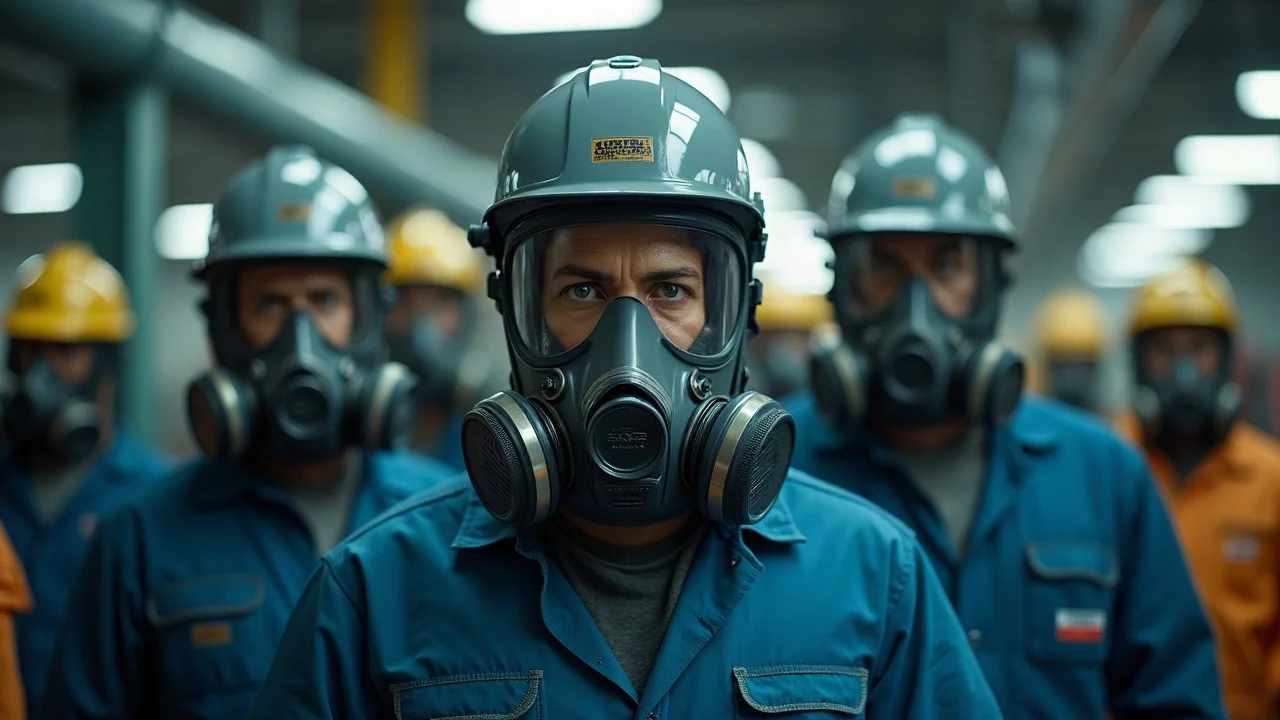
On the night of the incident, a toxic chemical leak appeared minor at first—a brief whiff, mild coughing among staff. But as the airborne contaminant spread, the weaknesses in the plant’s respiratory protection program compounded the risks. One worker’s mask had not been properly fit tested, allowing fumes to infiltrate the seal. Some were wearing the wrong type of respirator for the airborne chemical hazard, lacking the assigned protection factor for this dangerous situation. Others had skipped medical evaluations, and several new hires had never received adequate training on using personal protective equipment. Individually, each gap might have been caught. But as Dr. Reason’s model explains, all the holes lined up perfectly, bypassing every defense and exposing workers to lethal harm.
What You'll Learn About Respirator Safety and Respiratory Protection
Key components of an effective respiratory protection program
The vital role of fit testing and medical evaluation in respirator safety
How the Swiss Cheese Theory explains organizational safety failures
Practical lessons for implementing respiratory protection solutions
Understanding Respirator Safety in Industrial Environments
Why Respirator Safety Matters in High-Risk Settings
In environments filled with volatile chemicals and airborne contaminants, every precaution counts. The purpose of respirator safety goes beyond compliance; it’s about preserving lives. A robust safety and health program ensures workers are shielded from exposure to invisible, immediate threats—hazardous fumes, fine particulates, and gases that damage lungs or can quickly become fatal in confined spaces. The right protection program doesn’t only minimize acute risks but also prevents chronic respiratory disease and legal setbacks. The lesson from the chemical plant is sobering: failure to systematically implement fit tests, proper equipment selection, and routine medical evaluations can allow a minor leak to spiral into a health and safety catastrophe.
Furthermore, OSHA requires that every worker exposed to respiratory hazards be safeguarded with a written respiratory protection program. This includes ongoing fit testing, documented employee training, and the right selection of personal protective equipment based on the specific respiratory hazards present. Effective management of these layers not only keeps toxic substances at bay but also builds a safety-first culture that can save lives when the unexpected happens.

Common Respiratory Hazards in the Workplace
Workplaces—especially industrial plants, mines, construction zones, and labs—are filled with hazards that jeopardize employees’ airways. These include chemicals that vaporize into dangerous gases, dust from processing or demolition, mists from spraying operations, and microscopic particles invisible to the naked eye. When a worker is exposed to these airborne contaminants without proper respiratory protection, the consequences range from mild irritation and allergic reactions to acute poisoning, lung injury, or death.
Assigning the wrong type of respirator—or failing to address the need for a positive pressure or supplied-air system—can be a critical folly. Employers must accurately identify all respiratory hazards and equip workers accordingly with air-purifying respirators, airline respirators, or other specialized personal protective equipment. Every hazard must be matched with the appropriate level of protection, from disposable N95 masks for particulates to advanced self-contained breathing apparatus (SCBA) for dangerous gas leaks. Inadequate hazard assessment, out-of-date protection standards, and inconsistent training often create the “holes” in safety that Dr. Reason’s theory warns about.
Dr. James Reason's Swiss Cheese Theory and Its Relevance to Respiratory Protection
"Each layer of protection represents a line of defense, but no layer is perfect. When all the weaknesses align, accidents can and do happen." — Dr. James Reason
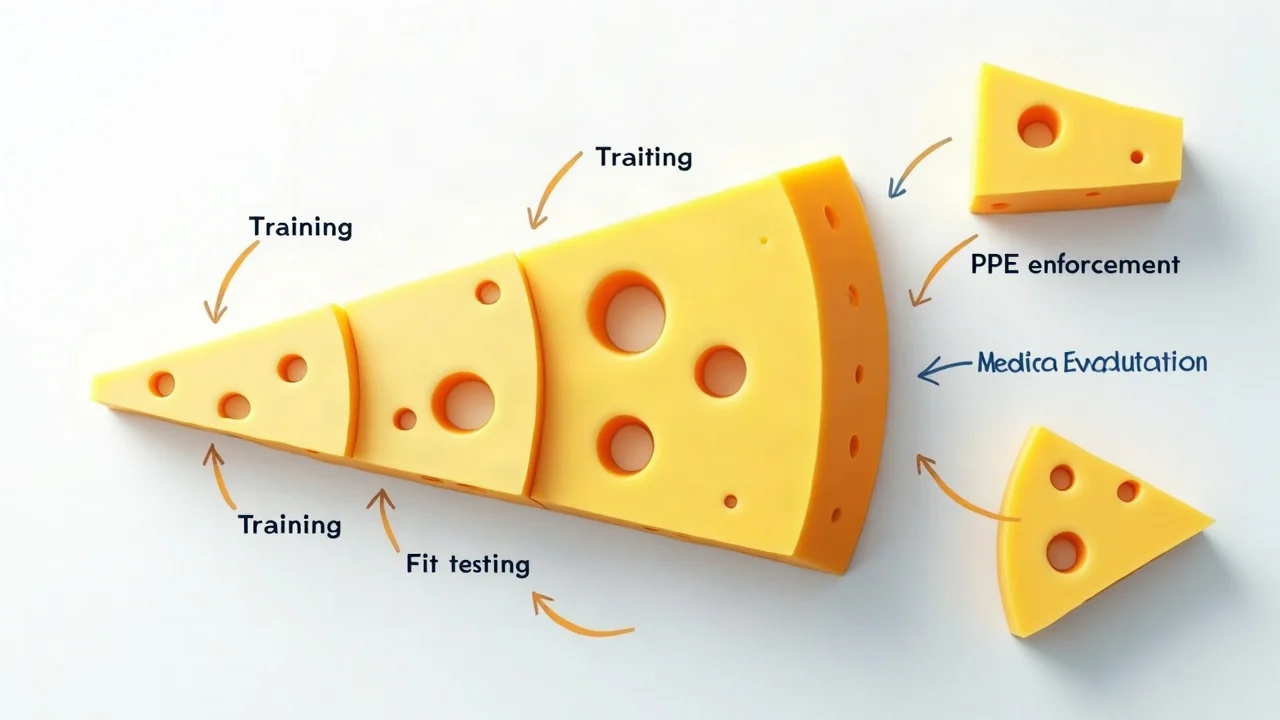
Dr. Reason’s Swiss Cheese Model has become a cornerstone in understanding complex safety failures. In respiratory protection, each 'slice'—such as training, fit testing, personal protective equipment, and medical evaluation—acts as an essential barrier. But each slice inevitably develops gaps, whether from human error, oversight, inadequate resources, or outdated procedures. Catastrophic loss occurs only when the holes in these layers momentarily align, allowing a hazard to pass through all defenses unhindered.
The tragic chemical leak demonstrates how multiple small failures—each seemingly insignificant on their own—combined to breach every layer. By regularly assessing and reinforcing each layer with up-to-date training, stringent protocols, and active monitoring, organizations can prevent the alignment of gaps that lead to irreversible harm.
Breakdown of Respirator Safety Layers: Where the Protection Failed
Respiratory Protection Program Flaws in the Chemical Plant
The investigation revealed that the plant’s written respiratory protection program was beset with critical flaws: outdated protocols, lax enforcement, and missing documentation. Fit testing for respirators had lapsed in frequency and rigor, and workers reported confusion over which protective equipment was required for different tasks. Supervisors failed to ensure employees were properly trained before entering restricted zones with hazardous chemicals. Even when the right respirators were issued, many workers had not received a medical evaluation to confirm they could safely wear them, exposing them to harm not only from toxins but from the physiological strain of breathing air through a high-resistance filter.
A well-constructed protection program demands regular review, clear communication, and unwavering adherence to protocols. Lapses in any of these areas create “holes” that increase the risk of a tragic alignment, as seen in this plant disaster. Employers must ensure programs are always kept current and are actively practiced on the floor—not just stored away in a binder.
Medical Evaluation: Overlooked Step in Respirator Safety
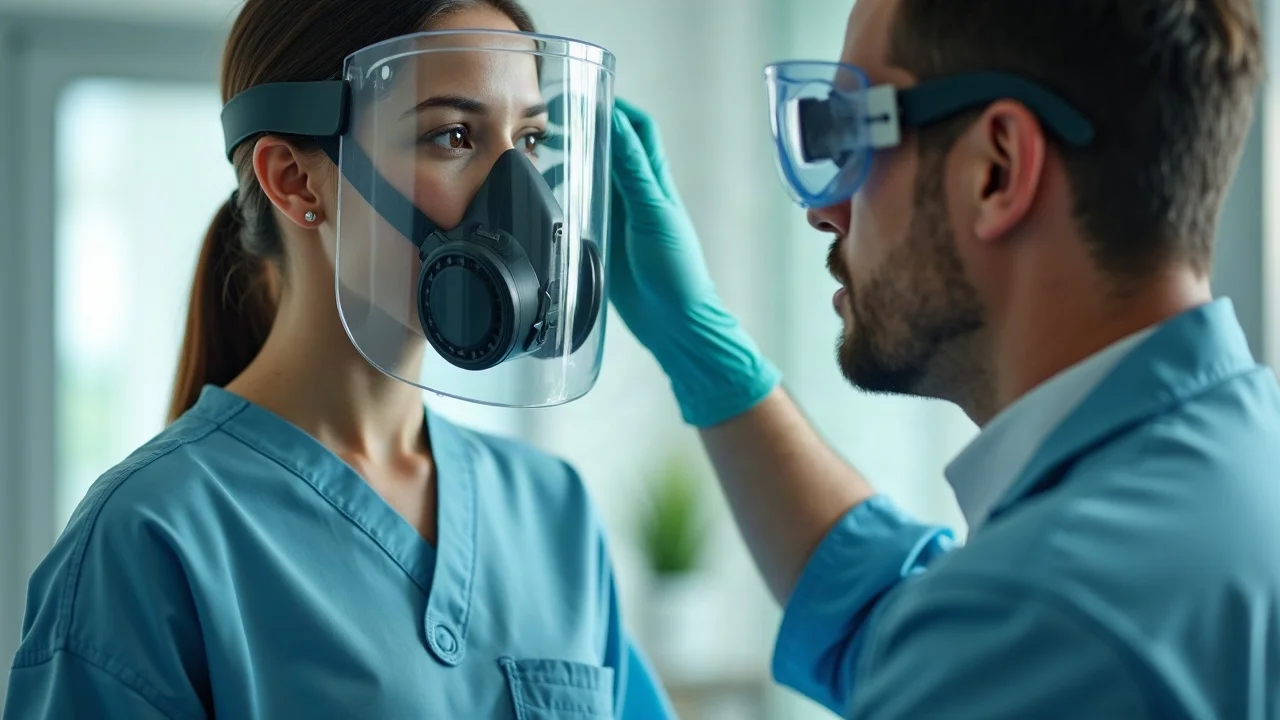
A critical, and often neglected, element of respirator safety is the medical evaluation. Wearing a respirator can strain the cardiovascular and respiratory systems, making it unsafe for some individuals without prior screening. In the chemical plant incident, documentation showed that a number of workers had never received a baseline medical evaluation, while others had outdated clearances. This failure left employees—some with previously undiagnosed conditions—vulnerable to suffocation and related injuries in emergencies.
Regular medical evaluations are essential to ensuring every worker is physically capable of wearing a respirator under stressful conditions, and to identify risks that could compromise their safety and health. Ignoring this requirement introduces unseen gaps in protection, giving hazards a direct path to workers’ airways when every layer should be acting as a fail-safe.
Fit Test Lapses: A Critical Respiratory Safety Oversight
No respirator can provide its assigned protection factor without a proper fit test. The chemical plant's records showed that some employees had never been fit tested, and periodic retesting had been irregular. An improperly fitted mask can allow invisible fumes and particles to breach the respiratory barrier. The effectiveness of any respiratory protection depends on a secure seal—otherwise, even the best equipment fails at the most critical moment.
Comprehensive protection programs must include initial and annual fit testing, and additional tests whenever a worker’s physical condition changes or new types of respirators are introduced. Educating staff on the importance of achieving and maintaining a proper seal is vital in transforming equipment from a token gesture into a true line of defense.
Personal Protective Equipment: Incomplete Enforcement and Education
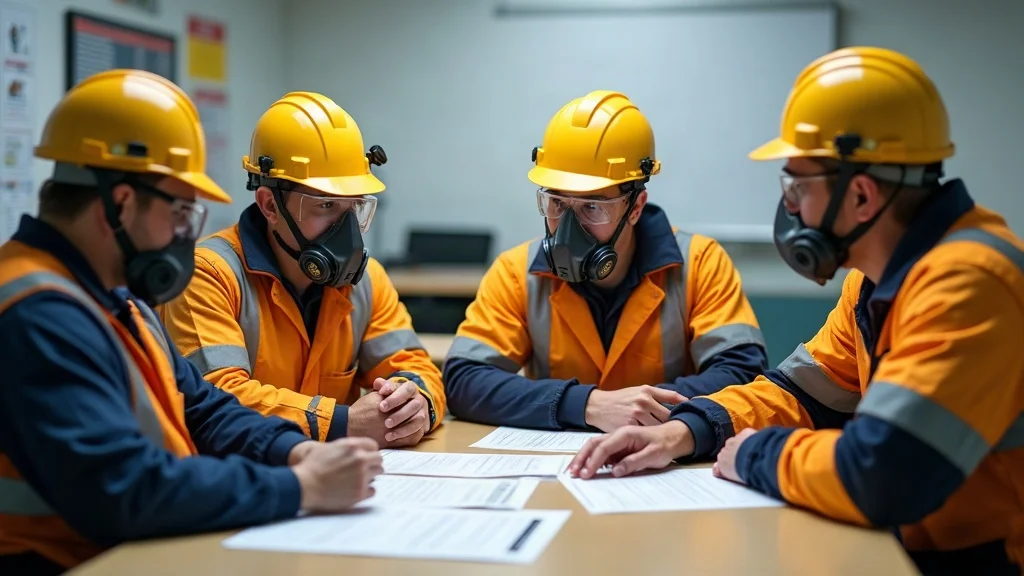
Even the best personal protective equipment cannot deliver its full protection factor if it is not used properly, consistently, and as intended. In the aftermath of the leak, it became clear that training sessions were often rushed, instructional materials were inconsistent, and enforcement of PPE usage varied widely between shifts and departments. New hires frequently had to rely on peer guidance rather than structured instruction, diluting the effectiveness of the safety program and allowing unsafe practices to take hold.
Protecting workers against respiratory hazards involves more than simply providing masks; it requires comprehensive education, clear procedures, and visible, consistent enforcement. Workers must understand not just how to don and doff their equipment, but why vigilance is essential every time they wear respirators in a hazardous environment. Strong, ongoing training and supervision keep safety standards front and center, ensuring protective layers stay intact.
Swiss Cheese Model: Respirator Safety Layers and Points of Failure |
|||
Layer of Defense |
Purpose |
Common Weaknesses (Holes) |
Example Failure from Incident |
|---|---|---|---|
Medical Evaluation |
Confirms workers are medically fit to wear respirators |
Outdated or missing evaluations |
Undiagnosed health issues in exposed workers |
Fit Testing |
Ensures a proper seal for assigned protection factor |
Skipped or rare tests, improper sizing |
Masks did not fully protect against vapor |
Personal Protective Equipment (PPE) |
Provides physical barrier against contaminants |
Wrong type of respirator; improper use |
Insufficient protection for chemical type |
Training |
Teaches correct donning, use, and maintenance |
Inconsistent or insufficient training |
Employees unsure how to use or maintain respirators |
Supervision & Enforcement |
Ensures adherence to procedures and standards |
Irregular audits, lax enforcement |
Unsafe practices observed before and during incident |
Comprehensive Respiratory Protection: Best Practices and Legal Requirements
Key Elements of a Respiratory Protection Program
Developing a successful respiratory protection program starts with a written respiratory protection program tailored to specific workplace hazards. Key elements include: hazard assessments, informed respirator selection, fit testing, regular medical evaluation, comprehensive training, equipment maintenance, and periodic program review. Continuous improvement and employee feedback loops help ensure each layer remains intact and relevant as new risks or work processes emerge.
The effectiveness of your respiratory protection program hinges on active management and consistent communication. Regular audits, encouragement of worker reporting, and a culture that prioritizes safety and health at every level are essential. By learning from past failures and updating practices, workplaces stay one step ahead of evolving risks.
OSHA Requirements for Respirators and Respiratory Safety
Occupational Safety and Health Administration (OSHA) regulations require employers to establish and enforce written respiratory protection programs whenever employees are exposed to respiratory hazards. These rules mandate hazard identification, fit testing, annual medical evaluation and re-training, maintenance of respirators, and clear recordkeeping for all actions taken. Employers must also supply the correct type of respirator for every airborne contaminant encountered—even if only for a short-term task.
Compliance with OSHA’s respirator protection standard is non-negotiable in any environment where workers are at risk of exposure. Regular updates and audits are critical, and all details—including fit test documentation and equipment maintenance records—must be available for inspection. Failure to comply not only endangers employees but can also result in significant legal consequences and costly shutdowns.
Types of Respirators: An Overview of Protective Equipment Options
Air-purifying respirators
Supplied-air respirators
Self-contained breathing apparatus (SCBA)
Other personal protective equipment for respiratory hazards
Selecting the right respirator begins with identifying both the airborne contaminant and the protection factor needed for each job. Air-purifying respirators filter out specific hazards but are limited to environments with enough oxygen. Supplied-air respirators, including airline respirators and SCBAs, deliver clean air from a safe source and are essential for work in confined spaces or when high concentrations of toxins are present. A one-size-fits-all approach never applies—tailored selection and diligent maintenance of every piece of personal protective equipment are vital for reliable protection.
Fit Testing, Training, and Medical Evaluation: The Frontlines of Respirator Safety
Why Fit Testing Matters — and How to Do It Right
A proper fit test is the only way to verify that a respirator provides the protection factor promised on paper. OSHA and other safety agencies require initial fit testing before any worker is assigned to wear a respirator, followed by annual retesting. Fit testing includes both qualitative (subjective) and quantitative (numeric) assessments of the respirator’s seal on the wearer’s face, accounting for facial hair, scars, or changes in weight that could affect the fit. Supervisors must keep fit test records and act promptly if a worker’s respirator fit changes, or if different types of respirators are introduced for new hazards.
To maximize safety, instruct employees on performing user seal checks every time they wear a respirator, in addition to scheduled fit tests. Encourage them to report any difficulties or changes in fit immediately so corrective action can be taken, and never assign unfit-tested workers to tasks with respiratory hazards. Proper fit testing is—quite literally—life-saving.
Ongoing Medical Evaluations and Respiratory Protection
Medical evaluations must be conducted before an employee is assigned a respirator, and at regular intervals thereafter, to ensure that ongoing use does not unduly strain their health. Workers must update their medical status whenever significant health changes occur (such as respiratory infections, heart conditions, or changes in medication). Occupational health professionals play a central role in clearing employees for respirator use and providing guidance about any limitations or alternative protective strategies needed to maintain safety and health.
Ignoring or deferring medical evaluation creates a silent, but disastrous hole in a protection program. Reliable respiratory protection starts with healthy workers—and a system that vigilantly monitors their fitness to use PPE on every shift.
The Role of Training in Personal Protective Equipment Usage
Comprehensive and ongoing training is the glue that holds every layer of a respiratory protection program together. Workers must not only learn proper donning, doffing, and maintenance of their masks but should understand the reasons for rigorous fit testing and regular medical evaluation. Routine drills, instructional materials, and hands-on demonstrations reinforce correct PPE usage and foster a culture of safety and health throughout the facility.
Supervisors and employees alike must be empowered to ask questions, report unsafe conditions, and provide feedback on procedures. Training should be accessible to all, updated regularly, and include real-world scenarios—like the tragic plant leak—to illustrate that every procedure is a potential lifesaver, not just a bureaucratic requirement.
Safety Quiz: Respirator Safety, Protection Program, and Best Practices
1. What are the safety precautions for using a respirator?
2. What are OSHA requirements for respirators?
3. What are the four types of respirators?
4. How long is it safe to wear a respirator?
5. What is the difference between a fit test and fit testing?
Answers:
1. Key Safety Precautions for Effective Respirator Safety
Effective respirator safety starts with proper selection, ensuring each worker uses the right type of respirator for the specific airborne contaminants present. Fit testing must be completed before use and repeated regularly. Users should perform a seal check each time they don a respirator and never modify or share protective equipment. Routine cleaning and maintenance, as well as storage in a clean, dry environment, help prevent equipment failure. Ongoing medical evaluation ensures continued fitness to wear respirators. Training and practice in emergency procedures are essential to full preparedness.
2. Complying with OSHA for Respiratory Protection
OSHA regulations require employers to develop a written respiratory protection program whenever respiratory hazards are present. Requirements include comprehensive fit testing before assigning respirators, annual medical evaluations, selection of respirators based on hazard assessment, and detailed training for all users. Employers must inspect and maintain equipment regularly and keep thorough records of all actions taken. Compliance is verified through audits and must be documented for inspection by OSHA or other authorities.
3. Classification of Respiratory Protection Devices
Respirators are typically classified into four categories: air-purifying respirators, powered air-purifying respirators (PAPR), supplied-air respirators (SAR), and self-contained breathing apparatus (SCBA). Air-purifying models filter particulates or specific gases; PAPRs use a blower to pull air through filters; SARs deliver clean breathing air from an external source; SCBAs provide portable air tanks for highly hazardous or low-oxygen environments. The right choice depends on the type of respiratory hazard present and the assigned protection factor required.
4. Understanding Respirator Duration and Safety Guidelines
The safe duration for wearing a respirator depends on several factors—including the type of respirator, the environment, work intensity, and the wearer’s health. Generally, respirators should only be worn as long as needed for the task, with regular breaks for comfort and safety. Disposable masks should be replaced as recommended by the manufacturer or when soiled, damaged, or difficult to breathe through. Reusable respirators require regular inspection and maintenance. Always follow OSHA guidelines and conduct ongoing medical evaluations to ensure worker safety.
5. Fit Testing Guidelines
A 'fit test' refers to the specific procedure performed to ensure a particular respirator fits an individual worker’s face properly and creates an adequate seal. 'Fit testing' is the broader concept, encompassing the overall process, including scheduled retesting, monitoring, and protocols to ensure continued effectiveness over time. Both are essential to achieving and maintaining a secure protective fit.
Practical Steps for Enhancing Respirator Safety in Your Workplace
Developing a Protection Program That Covers All Hazards
Start by performing a thorough hazard assessment to identify all airborne contaminants. Build a written respiratory protection program addressing proper respirator selection, fit testing, medical evaluation, and PPE training. Engage stakeholders at every level, seek worker input, and ensure every procedure is clearly documented and accessible. Regularly review and update your program as new risks or products are introduced.
Monitoring, Auditing, and Continuous Improvement
Effective protections require vigilant monitoring and continuous review. Schedule routine equipment inspections, fit tests, and medical evaluations. Conduct regular audits of your respiratory protection program and solicit feedback from employees regarding usability and safety gap concerns. Foster a transparent safety culture that encourages reporting and prompt correction of deficiencies before they can align into disaster.




Write A Comment