

Construction zone flagger accidents have significant impacts that extend beyond the immediate work area—affecting families, crews, and the safety protocols designed to protect workers on our roads. This blog explores the critical hazards, safety regulations, and essential training steps you need to know to prevent accidents and respond effectively when incidents occur.
What You'll Learn From This Report on Construction Zone Flagger Accidents
The vital responsibilities of a construction zone flagger
Regulatory framework: Caltrans rules and OSHA enforcement
Common risks and contributing factors in flagger accidents
Recommended safety protocols for challenging conditions
Procedures to follow after a construction zone flagger accident
FAQs and practical safety guidance
Immediate Impacts Following a Construction Zone Flagger Accident
Emotional and operational effects on work crews
Legal investigations by OSHA and local authorities
Caltrans safety protocols and response measures
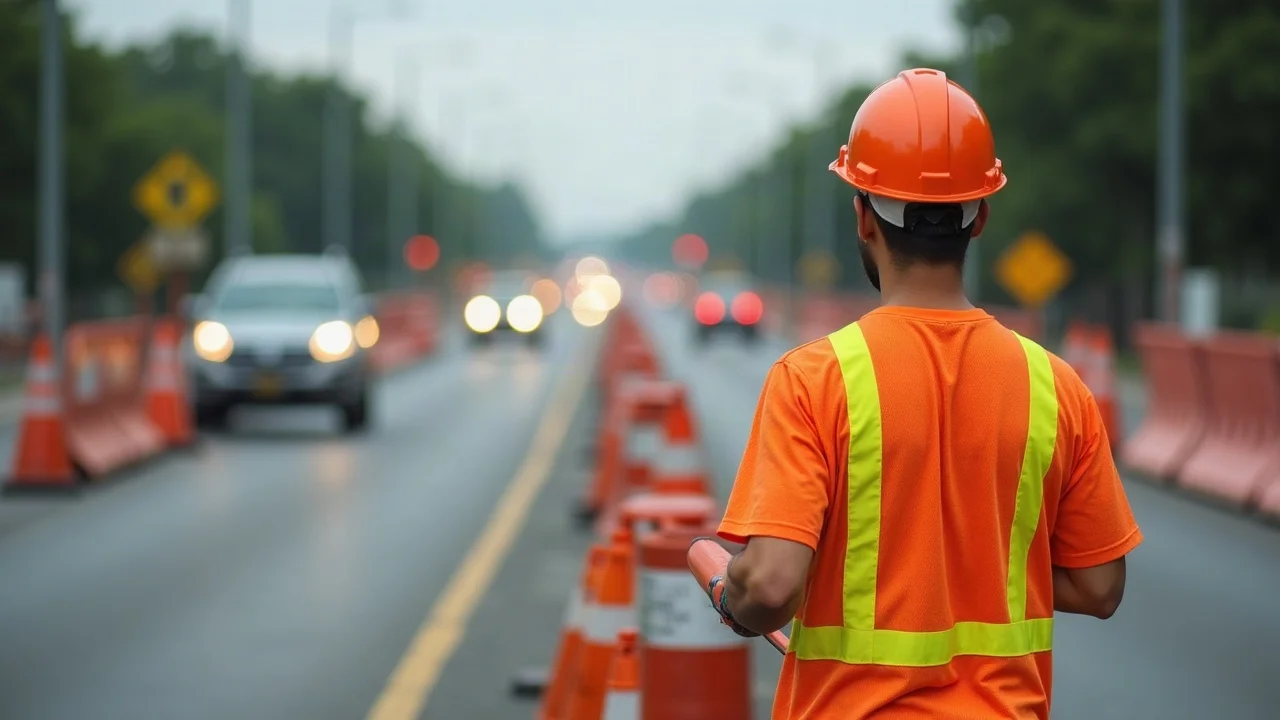
When a construction zone flagger is involved in an accident, the entire crew experiences immediate emotional and operational challenges. The incident often causes shock and concern among coworkers, highlighting the importance of safety awareness. Beyond the emotional response, work typically pauses as legal and safety investigations begin. Caltrans mandates prompt reporting and temporary work stoppage to allow a thorough incident review.
OSHA, along with state agencies, conducts a detailed investigation examining training compliance, site safety measures, and signage adequacy. Protecting and supporting workers during this time is critical, with employers and Caltrans providing counseling and resources to those affected. Such accidents underscore the vital role flaggers play in highway safety and the need for rigorous safety training and protocols to minimize risks.
Safety Regulations and Responsibilities in Construction Zones: Caltrans and OSHA
Caltrans Safety Requirements for Construction Zone Flaggers
Visibility standards and proper positioning
Protocols for adverse weather and low-light conditions
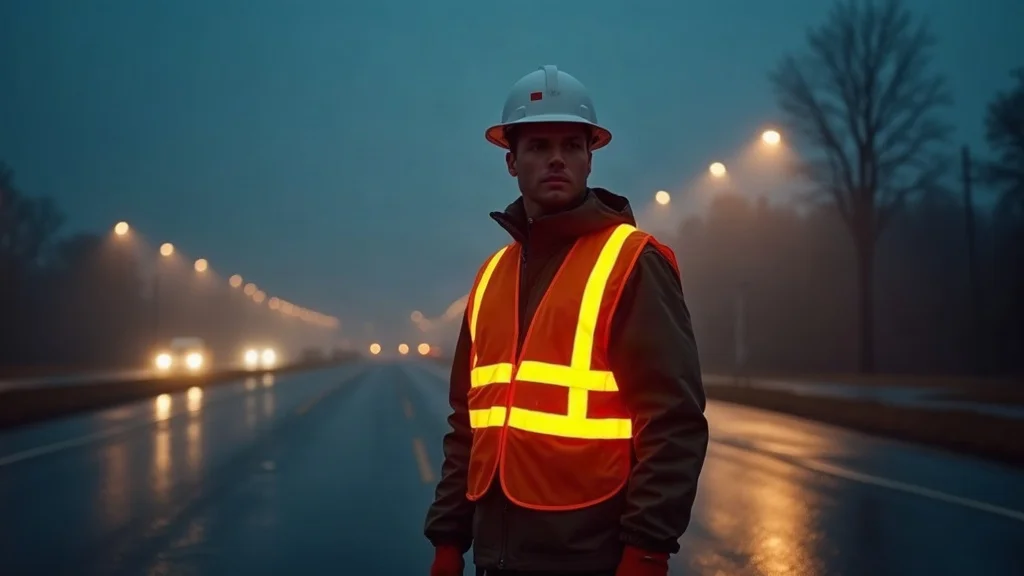
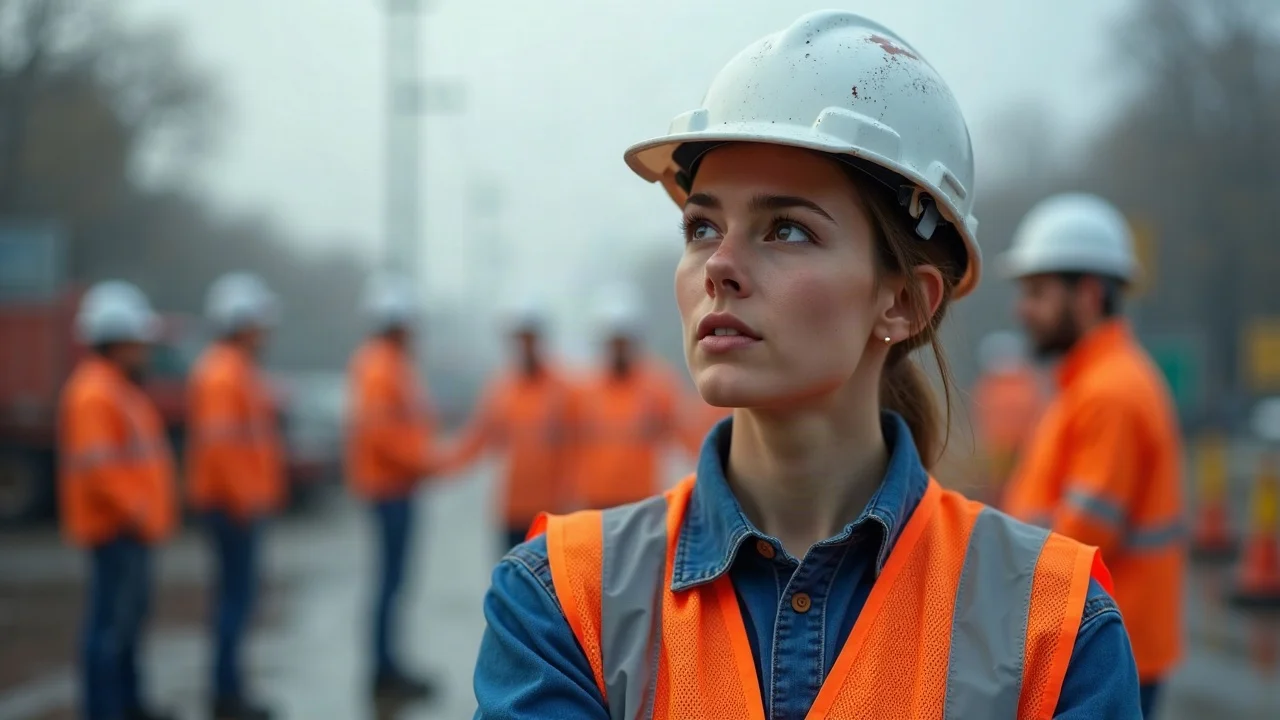
Caltrans enforces rigorous safety standards for construction zone flaggers to minimize accidents. Flaggers are required to wear high-visibility apparel, including bright orange or yellow vests with retroreflective strips, ensuring visibility in all conditions. When visibility is poor, such as during fog, rain, or low-light situations, flaggers must wear a Class 3 reflective vest paired with a white hard hat, as specified in Cal/OSHA 8.1523. Proper positioning of flaggers is critical, allowing drivers ample time and space to react, supported by clear advanced warning signage and cones to enhance sightlines.
Lighting around flagger stations is also strictly regulated. Portable lighting with a minimum wattage of 150 watts must be used to illuminate the area within 20 feet of the flagger, ensuring they remain visible during nighttime or adverse weather conditions. These comprehensive safety protocols, including special clothing requirements and advanced warning signs, are designed to improve driver awareness and reduce accidents in all environments.
OSHA Accountability and Safety Measures in Construction Zone Flagger Accidents
Federal versus state safety requirements for flaggers
Inspection protocols and enforcement actions
OSHA is the primary federal agency responsible for worker safety, with California enforcing both federal and state-specific flagger safety standards. In cases of construction zone flagger accidents, OSHA collaborates with Caltrans to investigate and ensure compliance with all safety regulations. Their investigation process includes detailed site inspections, interviews with personnel, and thorough reviews of safety documentation.
When safety violations such as inadequate signage, poor lighting, or lack of proper training are identified following an accident, OSHA can impose penalties or suspend work until hazards are mitigated. This dual enforcement framework highlights the importance of proactive safety measures to prevent accidents and protect flaggers in construction zones.
Common Hazards Leading to Construction Zone Flagger Accidents
Typical crash types in construction zones
High-risk work shifts and environmental challenges
Preventable causes including fatigue, distractions, and driver behavior
Flaggers face multiple hazards that increase the risk of accidents. Vehicle intrusions caused by inattentive or reckless drivers breaching safety barriers are a leading cause. Many accidents occur during night shifts or in conditions with limited visibility due to poor lighting or adverse weather. Rear-end collisions and unexpected vehicle entries into the work zone are among the most common accident types.
Factors such as worker fatigue, distracted driving (e.g., cellphone use), and communication breakdowns among crew members contribute to these incidents. High-traffic and high-speed zones, especially during dawn or dusk when visibility is reduced, present additional risks. Implementing enhanced signage, buffer zones, and comprehensive safety training can significantly improve flagger safety and reduce accident occurrences.
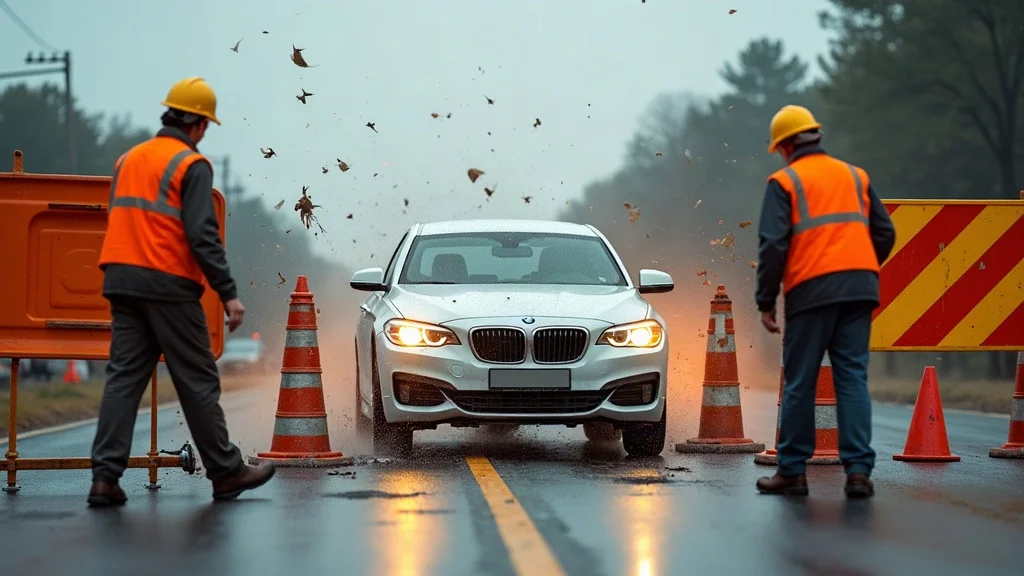
Table: Major Causes of Construction Zone Flagger Deaths
Hazard |
Description |
Frequency |
|---|---|---|
Vehicle intrusions |
Unauthorized or inattentive driver enters zone |
High |
Loss of visibility |
Fog, darkness or rain reduces flagger visibility |
Moderate to High |
Inadequate signage |
Insufficient warning for approaching traffic |
Moderate |
Poor communication |
Breakdown between flaggers and crew |
Occasional |
Preventing Construction Zone Flagger Accidents Through Safety Training and Protocols
Comply with Caltrans attire and positioning standards for flaggers
Employ enhanced lighting and reflective gear in low-visibility situations
Conduct regular hazard awareness and safety training sessions
Use buffer zones and traffic-calming devices to control vehicle speeds
Reducing the risk of accidents involving construction zone flaggers starts with strict adherence to Caltrans dress and positioning guidelines, ensuring flaggers wear high-visibility vests and retroreflective materials. Enhanced lighting, including portable lights and illuminated paddles, is especially important during night shifts or foggy conditions to keep both workers and drivers alert. Ongoing safety training focused on hazard awareness and emergency response fosters a culture of safety and preparedness among crews.
Implementing safety buffer zones and traffic-calming devices such as temporary speed bumps, large warning signs, and clear lane markings helps slow down traffic and increase driver attention near work zones. These safety measures not only prevent accidents but also empower flaggers to perform their duties with confidence, protecting themselves and their coworkers effectively.
Industry Insights: Expert Perspectives on Preventing Construction Zone Flagger Accidents
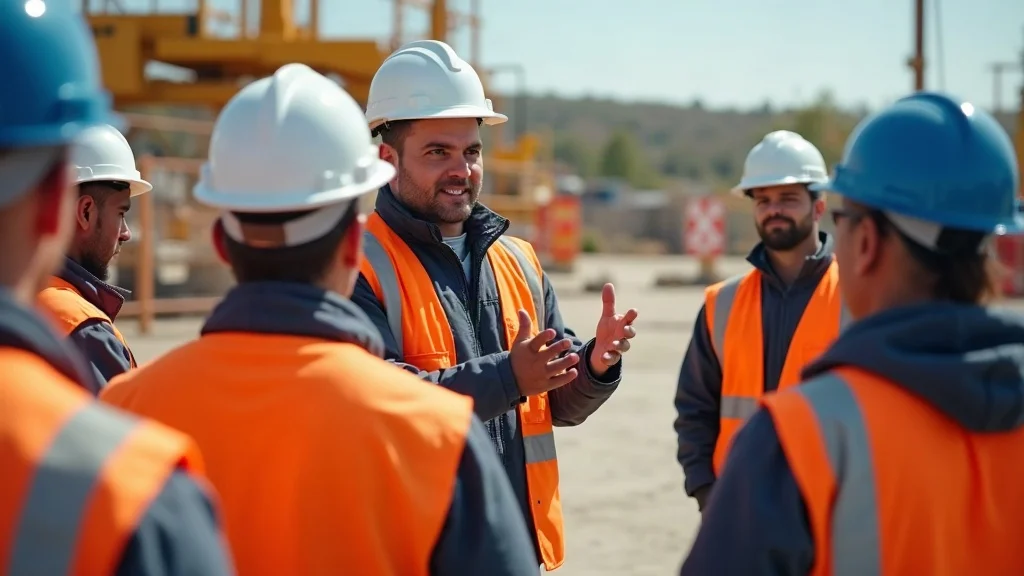
"Flaggers operate in high-risk environments where safety protocols are not just guidelines but critical lifesaving measures. Continuous training and strict compliance are key to accident prevention." – Road Safety Expert
People Also Ask: Essential Questions About Construction Zone Flagger Safety
How are flagger accidents prevented on construction sites?
Regular safety training and certification
Enforcement of OSHA and Caltrans safety standards
Use of protective equipment and clear communication
Preventing accidents involving flaggers requires a multifaceted approach. Construction companies invest in ongoing training programs that teach flaggers how to manage traffic safely and respond to emergencies. Compliance with OSHA and Caltrans regulations ensures that safety standards are met consistently. Protective gear such as reflective vests and helmets, combined with effective communication tools, further reduce risks. These efforts collectively create a safer environment for flaggers and other workers on site.
Which construction workers are most vulnerable to accidents?
Flaggers and traffic control workers face significant hazards due to their exposure to live traffic.
Flaggers and traffic control personnel are among the most vulnerable construction workers because they work adjacent to moving vehicles. Unlike workers shielded by barriers or operating machinery away from traffic, flaggers rely heavily on their training and adherence to safety protocols to stay safe. Regulatory agencies like OSHA and Caltrans play a vital role in monitoring and enforcing these safety measures. Highlighting the importance of safety training helps reduce accidents and protect these frontline workers.
What is the most common crash in a construction zone?
Rear-end collisions and vehicle intrusions are the most common crash types in flagged construction zones.
Rear-end crashes, where a moving vehicle collides with stopped or slowing traffic, are by far the most frequent in construction zones. Vehicle intrusions, where drivers accidentally or recklessly drive into an active work area, are also alarmingly common. These collisions usually result when drivers are distracted, fail to notice warning signs, or disregard temporary speed limits. Both types highlight the urgent need for improved signage, active flagging, and disciplined driver behavior near roadwork.
Is a flagger considered a construction worker?
Yes, flaggers are critical construction workers responsible for work zone traffic safety.
Absolutely—flaggers are not just traffic guides; they are essential members of the construction team. Their main responsibility is to keep both their crew and the public safe and to facilitate smooth, hazard-free operations. Because flaggers directly face live traffic, their classification as construction workers means they are eligible for all the safety training, protections, and legal rights afforded to others on the job site.
Frequently Asked Questions About Construction Zone Flagger Accidents and Safety Training
What type of training is required to become a construction zone flagger?
How do Caltrans and OSHA work together after a flagger accident occurs?
How can construction companies enhance safety protocols for flaggers?
Prospective construction zone flaggers must complete Caltrans-certified training programs that emphasize hazard recognition, emergency procedures, and proper communication techniques. When a flagger accident happens, Caltrans and OSHA coordinate a thorough review—Caltrans ensures adherence to state safety guidelines, while OSHA handles enforcement actions. To improve flagger safety, construction firms should implement ongoing safety training, invest in modern safety equipment, and cultivate a workplace culture prioritizing the health and safety of every team member.
Recent safety improvements include the use of digital checklists, real-time communication tools, and regular safety huddles on site. These proactive measures help identify and mitigate risks, providing enhanced protection for flaggers in dynamic construction zones.

Key Takeaways: Lessons from a Construction Zone Flagger accident
Flaggers face high risks but can be protected by strict compliance and proactive safety measures.
Caltrans and OSHA work jointly to address construction zone accidents.
For Help and Consultation
Those who will control traffic must be properly trained.
Give us a call at (800) 433-9819 or visit our website at calsafetysolution.com
Conclusion
The loss of a construction zone flagger is always a tragedy, but with strict compliance, continuous training, and a proactive safety mindset, these losses can be minimized—protecting lives on every shift.



Write A Comment