

Imagine stepping outside on a sweltering day, the sun blazing and your skin prickling in the heat. Extreme heat can turn a routine afternoon into a dangerous situation quickly—unless you know how to protect yourself. Heat illness prevention isn’t just for outdoor workers or athletes; it’s a lifeline for everyone during heat waves. Today, you’ll learn how to spot trouble, act fast, and stay safe.
Why Heat Illness Prevention Matters for Everyone
Heat illness prevention saves lives and supports heat safety in extreme heat scenarios.
Recognizing the severity of related illnesses ensures your safety and health.

What You'll Learn About Heat Illness Prevention and Heat Safety
The essentials of heat illness prevention
Key symptoms of heat stroke, heat exhaustion, and heat cramps
Best practices for heat safety during extreme heat
Expert illness prevention tips to avoid related illnesses
Actionable steps for workplace and community safety and health
Understanding Heat Illness: Types and Causes
Heat Stroke, Heat Exhaustion, and Heat Cramps: The Main Threats
Heat stroke is a medical emergency related to extreme heat
Heat exhaustion often results from prolonged heat exposure
Heat cramps can signal onset of more severe heat illness
Heat illness can sneak up on anyone during a heat event. Heat stroke develops when your body temperature rises rapidly, overwhelming your body’s ability to cool itself. Heat exhaustion occurs after spending too much time in the sun or doing heavy physical activity in hot environments. Even seemingly harmless heat cramps can be an early warning. Recognizing the type and cause of each related illness is central to effective illness prevention.

Recognizing Early Warning Signs of Heat Illness
Symptoms to Watch For: Heat Illness Prevention Starts Here
Fatigue, dizziness, and nausea: common symptoms of related illness
Heavy sweating may progress to dry skin in severe heat stroke
Cramps or muscle pain indicate early heat illness
Heat safety starts with knowing what to look for. When you feel faint, dizzy, weak, or nauseated, it’s time to act. Heat cramps (painful muscle spasms) are an early signal to slow down and cool off. As heat stress worsens, heavy sweating may suddenly stop, and the skin can become hot and dry—a red flag for heat stroke. These symptoms shouldn’t be ignored, especially if you’re working outdoors or participating in strenuous physical activity during a heat wave.
Top Heat Illness Prevention Tips for Home, Work, and Recreation
Hydration and Rest: Core to Heat Safety
Drink water regularly, not just when thirsty
Plan for shade and scheduled breaks
Adapt activities during extreme heat
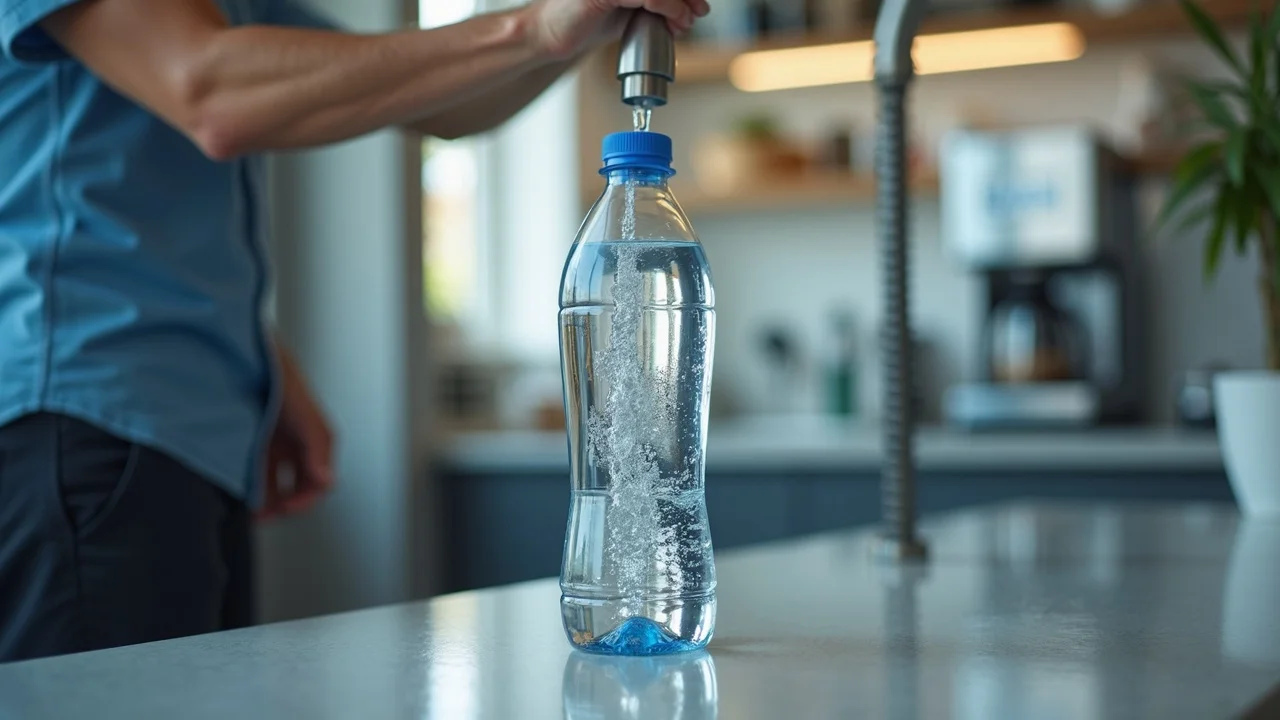
Your body needs water and rest to stay cool and healthy. Don’t wait until you’re thirsty—sip water consistently throughout the day, especially if you’re outdoors or in high-temperature indoor work environments. Schedule frequent breaks, seek shade, and try to avoid the hottest part of the day. Simple habits like these form the backbone of any strong heat illness prevention routine.
Clothing, Shade, and Sunscreen: External Defenses
Opt for lightweight, light-colored clothing
Use hats and UV protection
Seek shade when possible to support illness prevention
Wear loose, light-colored clothing that lets your skin breathe. Wide-brimmed hats and sunglasses offer shade for your face and eyes, and sunscreen shields against sunburn, which can worsen heat risk. Combine these approaches with regular rest in the shade—at the park, work site, or backyard—to defend yourself against heat stress and related illnesses.
Workplace Heat Safety and OSHA Guidelines
OSHA and Heat Illness Prevention Rules
OSHA recommends rest, water, and shade for heat safety
Employers must train workers to recognize and address related illnesses
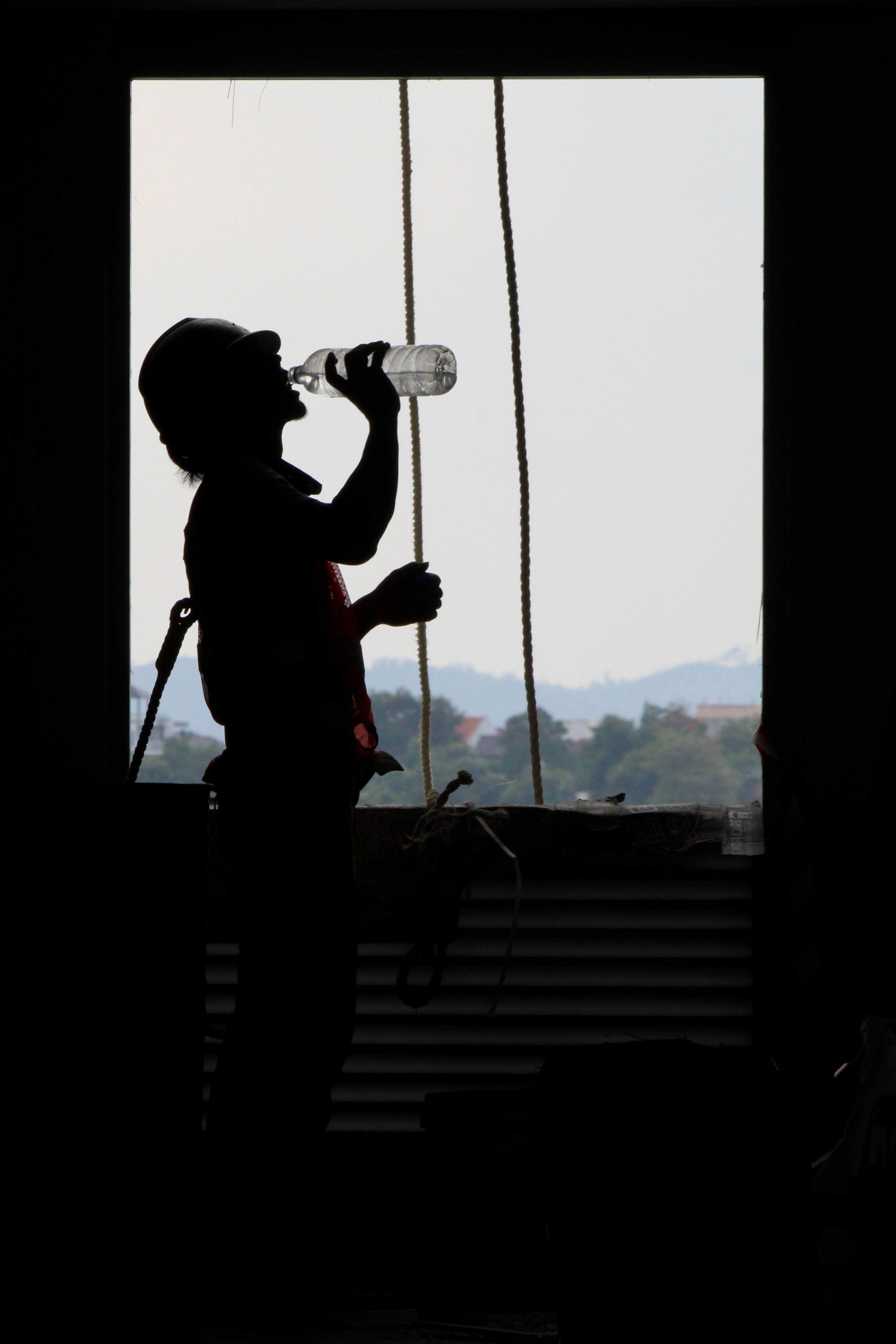
Employees engaged in outdoor work or hot indoor settings are at higher risk for heat stress. OSHA mandates that employers provide access to water, scheduled rest periods, and shaded areas. Training workers to identify and respond promptly to heat illness symptoms is critical. An effective heat illness prevention program creates a safer work environment for everyone involved.

Table: Quick Comparison of Heat Illness Types
Type |
Symptoms |
Causes |
Prevention |
|---|---|---|---|
Heat Stroke |
High body temperature, confusion, dry skin, unconsciousness |
Prolonged exposure to extreme heat, physical activity |
Immediate cooling, emergency help, consistent hydration |
Heat Exhaustion |
Heavy sweating, weakness, dizziness, nausea, headache |
Loss of fluids and salt due to sweat |
Rest, water, cool environment |
Heat Cramps |
Muscle spasms or pains, usually in legs or abdomen |
Intense physical activity in hot conditions, dehydration |
Hydrate, shorten activity, stretch |
"When to Act"—Expert Opinions on Extreme Heat Safety
"Recognizing early symptoms and adopting key heat illness prevention measures are crucial during heat waves." — Dr. Jennifer Lin, Environmental Health Specialist
People Also Ask: What Are Three Ways to Prevent Heat Illness?
Three key methods of heat illness prevention: hydrate frequently, find shade, and schedule rest breaks during extreme heat. These steps are fundamental for effective heat safety and illness prevention.
People Also Ask: What Is the OSHA Rule for Heat Illness Prevention?
OSHA's guidance for heat illness prevention includes providing water, frequent rest, and shade. Employers are responsible for protecting workplace safety and health during hot conditions.
People Also Ask: Why Do I Overheat So Easily?
Individual factors like hydration, medical conditions, and acclimatization affect your risk. Heat illness prevention requires personal awareness and action, especially during extreme heat.
People Also Ask: How to Cure Heat Exhaustion?
Move to a cooler place, rest, rehydrate, and apply cool compresses immediately. Seek medical attention for persistent symptoms. Heat illness prevention helps avoid escalation to heat stroke.

Essential Heat Illness Prevention FAQs
Can children and elderly be more at risk for heat illness?
Yes. Young children and older adults are more sensitive to heat and have a higher risk for heat stress.What are the best fluids for preventing heat related illnesses?
Water is best, though electrolyte drinks can help during prolonged sweating.Are sports drinks effective for heat illness prevention?
They can be helpful if you're sweating heavily, but avoid those high in sugar and caffeine.How does humidity impact heat illness risk?
Higher humidity makes it harder for sweat to evaporate, increasing heat risk and the importance of illness prevention steps.When should you seek emergency help during extreme heat?
If someone develops confusion, stops sweating, or loses consciousness, seek help immediately—it could be heat stroke.
Key Takeaways for Heat Illness Prevention Success
Stay vigilant during extreme heat events
Prioritize hydration and rest
Understand the importance of workplace safety and health
Learn to recognize and act on symptoms of related illnesses
Ready for a Safer Summer?
Give us a call at (800) 433-9819 or visit our website at calsafetysolution.com to learn more about protecting yourself with proven heat illness prevention strategies.
Stay alert, stay hydrated, and put heat illness prevention first—your health depends on it.




Write A Comment