

Did you know that every single day, approximately 2,000 workers in the United States experience a job-related eye injury severe enough to require medical attention? Most shockingly, the CDC estimates that a staggering 90% of these injuries could be easily prevented with proper eye and face protection. Whether you’re on a bustling construction site, in a noisy fabrication shop, or working with harmful chemicals, understanding the difference between eye protection and face protection could be the safest choice you ever make. In this comprehensive guide, we break down the facts, debunk the misconceptions, and outline what you—and your workplace—can do to truly protect eyesight and health.
What You'll Learn About Eye and Face Protection
The differences between eye protection and face protection
Why safety glasses are essential in the workplace
The risks of relying solely on face shields
Best practices for selecting and using eye and face protection
Expert tips to enhance compliance and workplace safety

The Startling Truth: Why Eye and Face Protection Is Non-Negotiable
Every day, 2,000 U.S. workers sustain job-related eye injuries requiring medical attention, according to the CDC—90% of which could be prevented with proper eye and face protection.
The numbers are both surprising and sobering: workplace eye injuries continue to occur despite the wide availability of effective protective equipment. The united states government and federal regulatory agencies stress the use of adequate protection across all industries. Yet, according to government websites often end statistics, the root problem isn't a lack of solutions, but improper use or misunderstanding of the difference between eye protection and face protection. Relying on a face shield alone is a widespread and dangerous misconception. True eye safety demands safety glasses or goggles that are ANSI-rated, combined with appropriate face protection when needed. This approach saves vision, money, and, most importantly, lives.
The reality: Employers and workers alike must rethink their approach to protective equipment. Face shields may shield your face from major debris, but without the correct underlying safety glasses or goggles, your eyes remain vulnerable to flying particles, chemical splashes, and even radiation. The path toward compliance isn’t difficult—but it does require awareness, proper selection, and training. That’s where this guide comes in: providing you best practices grounded in expert knowledge and backed by both OSHA and real-world jobsite results.
Understanding Eye and Face Protection: Definitions and Common Misconceptions
What Is Eye and Face Protection?
Definition of Eye Protection vs. Face Protection: Eye protection refers to equipment that guards only the eyes—think safety glasses or goggles, while face protection covers the entire face, typically using face shields. Both play critical but distinct roles on the jobsite.
Common Equipment: The three main types are safety glasses (for impact and UV protection), goggles (for sealed protection against splashes or dust), and face shields (as a barrier for the full face, ideal against flying debris or chemical splashes).
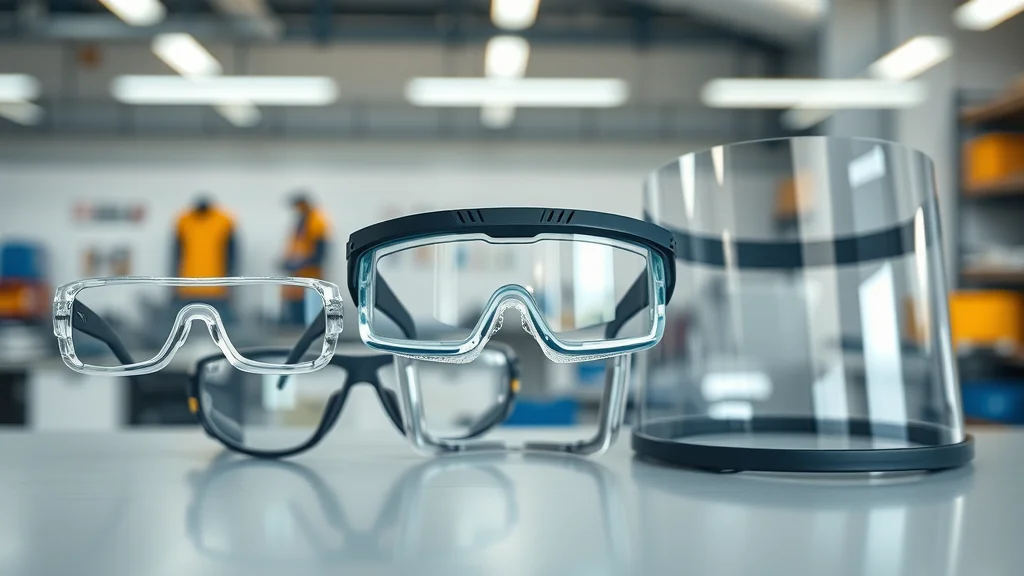
Effective eye and face protection means selecting the right equipment for the job and understanding that no single product offers universal coverage. Safety glasses work well for impacts but may not protect against chemical splashes—a job best suited for sealed goggles. Face shields provide crucial defense from large objects or chemicals but leave gaps vulnerable to dust, fine particles, or fluid mists.
This distinction is not just technical. It's a regulatory and legal requirement, set forth by agencies like OSHA, that protects both workers and businesses from liability, vision loss, and costly downtime.
Face Shields Are Not Eye Protection: OSHA Guidelines and Safety Myths
"A face shield may only be used as supplemental protection and must be worn with ANSI-rated safety glasses or goggles underneath. No exceptions." — OSHA Standard
Face Shield Coverage Limitations: Face shields are not sealed to the face and typically extend only a few inches from the forehead, leaving multiple open paths for particles, splashes, or mists to reach the eyes.
Risks of Using Face Shields Alone: Many workers mistakenly believe that a face shield is adequate, but studies show that fine debris and fluids routinely bypass shields, leading to injuries and sometimes severe eye damage.
Even OSHA’s official website, along with every reputable protective equipment guideline in the United States, asserts: face shields are never a substitute for proper eye protection. Only safety glasses or goggles with an ANSI Z87.1 certification satisfy the minimum requirement for eye and face protection. Employers and employees who overlook this fact put workers at increased risk of eye injuries, lost productivity, and penalties.
In summary: Face shields supplement; they do not replace—a critical distinction for every industry from metal fabrication to landscaping.
Why Safety Glasses and Safety Glasses with Face Shields Are Essential for Workplace Safety
The Role of Safety Glasses in Eye Protection
Protection Against Hazards: Safety glasses are engineered to shield the eyes from flying particles, dust, debris, UV radiation, and, in some types, even specific lasers or injurious light.
Wrap-around and Prescription Safety Glasses: Wrap-around models extend protection to the sides, while prescription safety glasses meet OSHA and ANSI standards, ensuring no one compromises vision for compliance.
Goggles for Chemicals and High-Risk Exposures: For handling chemicals, working in dusty conditions, or facing splash hazards, sealed safety goggles provide the best defense.
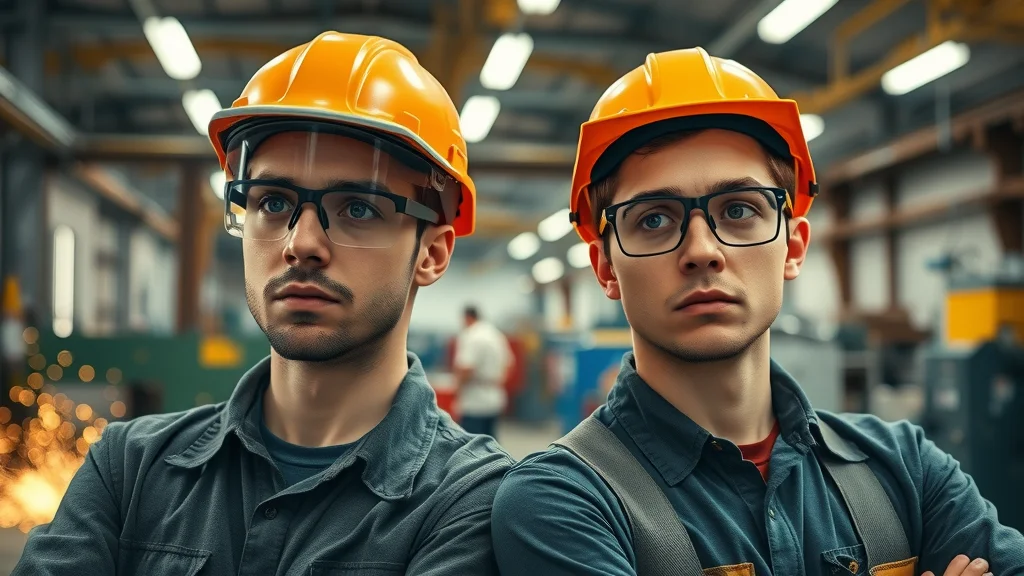
It’s a common jobsite sight: one worker in only a face shield, another with both face shield and safety glasses—yet only the latter is protected from every angle. Safety glasses issued by employers must meet the ANSI Z87.1 standard and be regularly checked for condition and fit. The right glasses fit securely, do not obstruct vision, and, when paired with fog- or scratch-resistant coatings, keep workers safe and productive.
In environments with intense radiant energy, such as welding, filter lens shade numbers must match the hazards. Selecting the wrong lens or relying on sunglasses can result in injurious light damage, reinforcing the importance of consulting certified sources for task-specific equipment.
When to Use Safety Glasses vs. Face Shields vs. Goggles
Equipment |
Use Cases |
ANSI Rating |
Level of Protection |
|---|---|---|---|
Safety Glasses |
General tasks: flying chips, dust, UV |
Z87.1 |
Basic impact/UV protection |
Goggles |
Chemical splash, dust, high-particulate tasks |
Z87.1+ (D3/D4/D5) |
Sealed, impact + splash/dust |
Face Shields |
Grinding, cutting, arc flash; always paired with glasses |
Z87.1 |
Supplementary face protection (not eye-rated) |
Always match the protective equipment to the specific task. For instance, grinding metal demands a combination of safety glasses and a face shield, while laboratory work with hazardous chemicals requires sealed goggles and, when appropriate, an additional face shield for splash defense.
The bottom line: No single piece of equipment fulfills all protection needs; each must be chosen with the workplace hazard in mind.
Common Workplace Hazards Necessitating Eye and Face Protection
Tools ejecting chips or dust
Compressed air (causing dust or debris to become airborne)
Grinding wheels and flying debris
Chemical handling and splashes
Steam, hot liquids, and arc flash
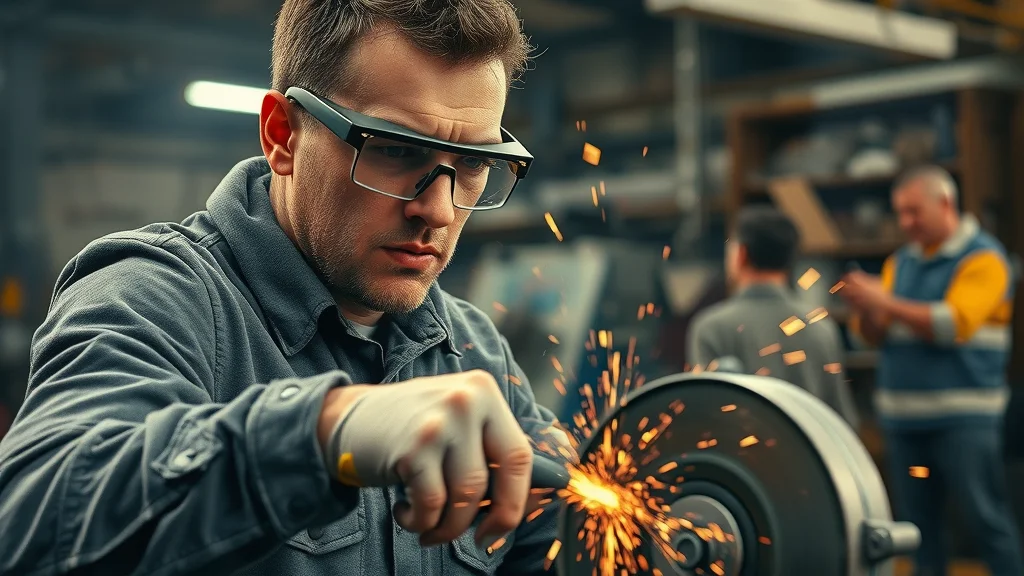
Every industry faces unique hazards that can compromise eye and face safety. Whether it’s metal fragments from a grinding wheel in a machine shop or accidental splashes of corrosive chemicals in a laboratory, these risks demand adequate protection. Even a momentary lapse or neglect of PPE can lead to permanent injuries, making the need for a safety-centric culture core to any safety program.
Performing a thorough Job Hazard Analysis (JHA) identifies threats and ensures the right combination of eye and face protection is available and used consistently. It’s not just about compliance— it’s about safeguarding productivity, morale, and, above all, workers’ long-term health.
Choosing the Right Eye and Face Protection for Your Industry
Construction and fabrication: High likelihood of impact, debris, and chemical exposure—requires safety glasses with optional add-on face shields or goggles.
Chemical handling and laboratories: Goggles with face shields where there is risk of splashing or vapor exposure; always consult chemical safety data sheets (SDS).
Welding and cutting operations: ANSI Z87.1-compliant welding shields with properly selected shade numbers and underlying safety glasses for hot work.
Outdoor and landscaping operations: UV-filtering safety glasses to guard against radiant energy and airborne debris; wrap-arounds for environmental dust and flying objects.

No single protective solution fits all tasks. Eye and face protection selection depends on the specific hazards inherent to each occupation. OSHA, employing the official website and federal government site resources, provides industry-specific guidance to help employers choose appropriate PPE. Always check ANSI certification, ensure proper fit, and regularly train employees on both use and maintenance.
Remember: Risk profiles fluctuate. Ongoing assessment and adaptation of protective equipment is key for maximizing safety and minimizing expensive, disruptive injuries.
Improving Eye and Face Protection Compliance: Steps for Employers
Provide only ANSI Z87.1-rated safety glass and face shield options: Non-rated glasses are inadequate and often result in OSHA citations.
Conduct regular PPE training and emphasize the 'why' behind eye protection: Training shouldn’t stop at equipment distribution—message the importance, risks, and correct use.
Keep safety glasses, safety shields, and goggles easily accessible: Placing PPE near work zones supports consistent use and makes compliance easy.
Replace damaged eye and face protection equipment promptly: Scratched or worn gear reduces visibility and encourages removal. Damaged gear offers little to no protection.
Implement a safety observation and reinforcement program: Supervisors set the tone; active coaching and positive reinforcement are essential for driving culture change.
Watch: Correct way to wear safety glasses and face shields across different industries for eye and face protection compliance.
Improving compliance isn’t just about enforcement—it’s about removing barriers, addressing misconceptions (especially around face shields), and reinforcing the “why” at every level of the organization.
When workers are empowered with knowledge, proper fit, and easy access, they are far more likely to wear protective equipment—reducing workplace eye injuries and setting a new gold standard for safety.
People Also Ask: Eye and Face Protection Questions Answered
What is eye and face protection?
Eye and face protection refers to personal protective equipment like safety glasses, goggles, and face shields that guard workers against workplace hazards such as impact, debris, chemicals, and radiation. Proper use of both is crucial for comprehensive protection.
What will eye and face protection not protect against?
Standard protection may not guard against gases, vapors, or extremely fine particles if not rated for those hazards. Some hazards require high-grade, sealed protective equipment or supplementary respiratory protection.
When should eye and face protection be worn?
Whenever there is a risk of flying objects, chemical splashes, dust, debris, or hazardous radiation. OSHA mandates protection during any tasks with potential eye or face injury risks.
How to provide face and eye protection?
Conduct a job hazard analysis; select ANSI-rated safety glasses, goggles, and face shields as needed; train workers; and ensure easy access, fit, comfort, and regular maintenance.
Best Practices: Lists for Eye and Face Protection Safety
Never use a face shield as standalone eye protection
Replace scratched or damaged safety glasses promptly
Clean face and eye protection regularly to maintain visibility

Maintaining protective equipment is as important as selecting the right gear. Regular cleaning prevents diminished visibility, which often leads to the unsafe removal of glasses or goggles during critical tasks. Damaged equipment must be replaced right away to ensure compliance and, more critically, continuous protection on the job. These small habits have a big impact—OSHA and the states government alike recommend routine maintenance as a best practice.
Supervisors should encourage reporting of defective equipment and provide clear, simple policies for obtaining new eye protection when necessary. This supports a culture where safety is prioritized at every level.
FAQs on Eye and Face Protection
What are ANSI Z87.1 requirements for safety glasses and face shields?
ANSI Z87.1 sets the standard for the impact, optical clarity, and coverage of safety glasses and face shields. Equipment rated to this standard is required for OSHA compliance in most workplace environments to ensure workers receive adequate protection.Are prescription safety glasses OSHA compliant?
Yes, as long as prescription safety glasses are ANSI Z87.1 certified and fitted by a qualified provider, they are OSHA compliant and provide the required levels of eye and face protection for workers who need vision correction.How often should eye and face protection equipment be replaced?
Replace equipment immediately if it’s scratched, cracked, or otherwise damaged. Even with light, regular use, replace safety glasses and shields at least annually or as dictated by wear, exposure, and manufacturer recommendations.
Key Takeaways: Ensuring Proper Eye and Face Protection
Face shields are supplemental—never a replacement for safety glasses
Proper, well-maintained safety glasses prevent most workplace eye injuries
Ongoing training and accessible protective equipment drive compliance
Need Help With Your Eye and Face Protection Program?
Give us a call at (800) 433-9819 or visit our website at calsafetysolution.com
Conclusion: The right approach to eye and face protection dramatically reduces workplace injury risks—make safety glasses and shields your first line of defense every day.




Write A Comment